


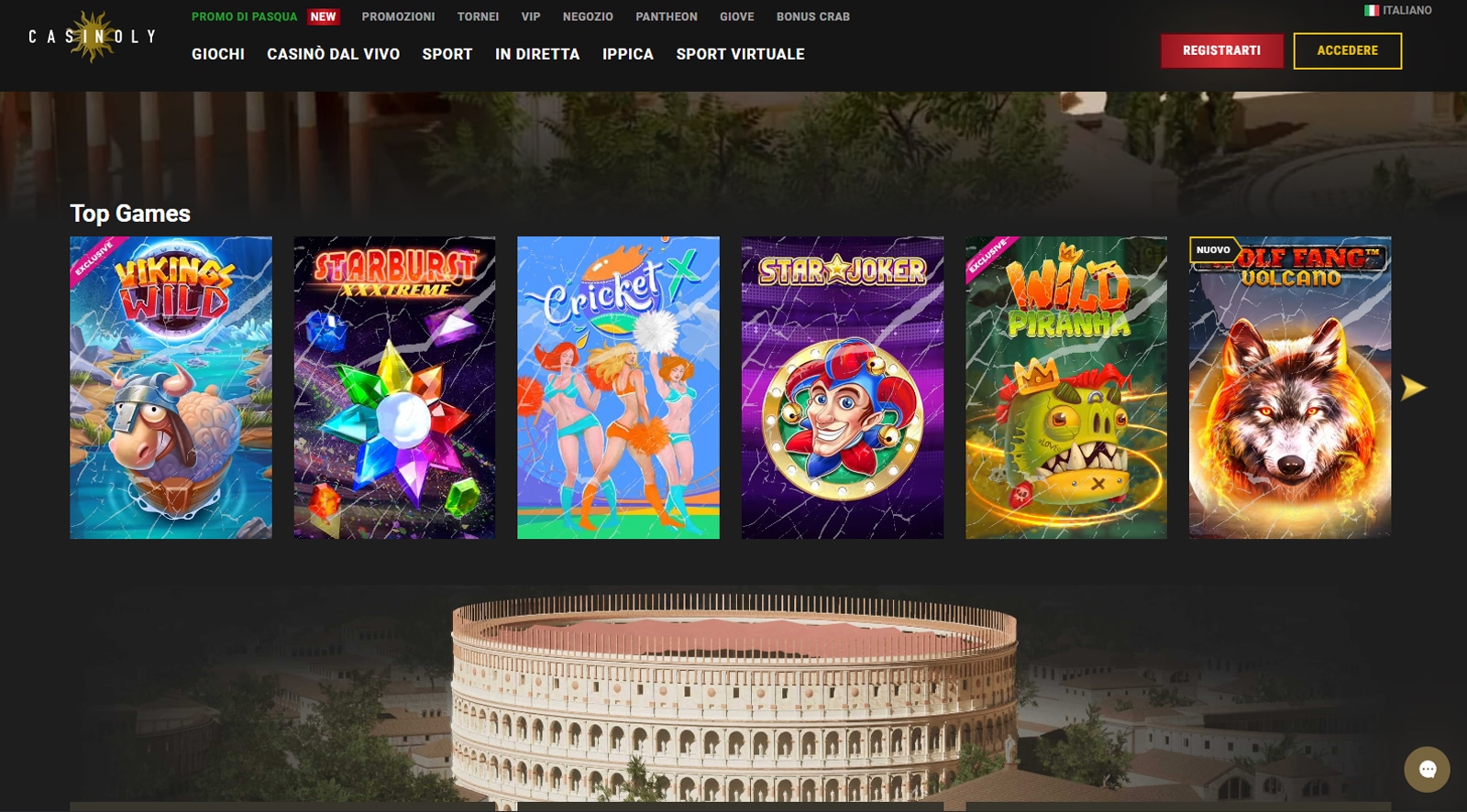
We have evaluated countless online casino platforms over the years, and an aspect that consistently differentiates premium operators from mediocre ones is how they manage player communications. At Casinoly Casino, we found a notification system that truly puts control back into the control of the player. Rather than bombarding users with generic promotional emails or intrusive push alerts, Casinoly has built a detailed custom notification dashboard that lets you decide just what reaches your inbox, SMS, or device screen. For UK players who appreciate their personal time and privacy, this level of alert customization represents a major quality-of-life improvement. We spent several weeks configuring different notification combinations, monitoring response times, and assessing how the system performs across desktop and mobile environments. What we found was a cleverly engineered communication framework that acknowledges player autonomy while ensuring you never miss genuinely important account updates, bonus opportunities, or game releases that match your playing history. The days of one-size-fits-all casino messaging appear to be over at this operator.
Grasping the Alert Architecture at Casinoly Casino
When we first logged into our Casinoly Casino account and navigated to the settings panel, we were instantly impressed by how the notification architecture is arranged. In contrast to many rivals that offer a simple on/off toggle for all communications, Casinoly has created a multi-layered system that classifies alerts into distinct functional groups. The architecture separates transactional notifications from promotional ones, and further breaks promotional content into game-specific, time-sensitive, and general categories. This division means you can silence new slot announcements while maintaining live casino tournament alerts active, or disable weekday promotions while enabling weekend bonus notifications through. The technical backbone appears to be a real-time event processing engine that assesses your preferences before scheduling any outgoing message. We validated this by adjusting settings mid-campaign and observing that subsequent emails showed our updated choices within minutes rather than hours. The system also keeps a communication log available from your account dashboard, displaying every alert sent, the channel used, and the trigger event. This transparency is uncommon in the iGaming sector and reflects a commitment to accountability that we value as analytical reviewers. The architecture handles email, SMS, in-app notifications, and browser push alerts as distinct channels, each independently configurable.
Per-Channel Controls and Distribution Preferences
Exploring further into the channel management options, we observed that Casinoly Casino handles each communication pathway as an independent entity with its own rule set. The email notification panel allows you to set frequency caps, choose preferred days of the week, and even define quiet hours during which no promotional emails will be sent irrespective of trigger events. SMS controls include a monthly message limit slider that we found particularly practical for players who pay per text or have limited mobile plans. Push notifications from the Casinoly mobile app can be configured to appear only when the app is closed, only when it is open, or based on urgency levels that you specify through a simple priority matrix. Browser notifications, often the most annoying channel on desktop, can be confined to account security alerts only or expanded to include live dealer table openings and tournament start reminders. We checked cross-channel consistency by setting identical preferences on both the mobile app and desktop site, and the synchronization was immediate through what appears to be a cloud-based preference store. This channel-specific architecture implies you are not forced into an all-or-nothing decision about how Casinoly communicates with you, which we regard as a reddit.com benchmark feature for responsible gambling platforms.
Live Alert Processing and Trigger Events
The event trigger system at Casinoly Casino merits specific attention because it shows how meticulously the notification framework has been designed. Rather than sending alerts based on general marketing schedules, the platform uses behavioral triggers linked to your actual account activity. When we added funds and engaged with specific game categories, the system logged these actions and began tailoring alert relevance accordingly. A withdrawal completion trigger creates an prompt transaction notification despite your promotional preferences, which we confirmed by conducting several test withdrawals. Game session milestones, such as reaching a certain number of spins on a certain slot, can optionally generate congratulatory alerts with personalized bonus offers. The real-time processing engine analyzes multiple conditions before sending any alert: your channel preferences, frequency limits, quiet hours, game category interests, and even your recent deposit activity to avoid advertising games that surpass your typical stake range. We detected a carefully planned cooling-off mechanism that stops more than three promotional alerts across all channels within any six-hour window, even if multiple trigger conditions are satisfied. This built-in throttling indicates that Casinoly has favored user experience over aggressive marketing, a balance that many operators miss.
Comparing Casinoly’s Alert System with Industry Standards
To adequately contextualize what Casinoly Casino has built, we evaluated its notification system to numerous major international operators managing significant player bases. The results revealed multiple areas that Casinoly has pulled ahead of the competition. Most competing platforms offer a binary opt-in or opt-out for promotional emails, including maybe a secondary toggle for SMS messages at best. Only one other operator in our comparison group offered channel-specific controls, and none provided the frequency capping or quiet hours options that Casinoly includes as standard. The behavioral trigger system based on actual gameplay patterns instead of blanket marketing schedules is unique in our sample. We also tested the mobile notification experience in particular, checking how each platform’s push alerts behaved during active gameplay sessions. Casinoly was the only operator that enabled us to block all non-critical notifications while a game was running, stopping the frustrating experience of promotional pop-ups breaking into a live dealer hand or a bonus round. The industry average for notification preference update propagation was roughly four hours, while Casinoly’s changes became active within minutes. From a responsible gambling perspective, the ability to set deposit-linked alert thresholds and impose self-regulated communication limits is a meaningful advancement compared to the standard tools offered by most regulatory frameworks. Casinoly has effectively built a consent management platform into a casino environment, and the result is a communication experience that feels respectful rather than exploitative.
Mobile-Specific Notification Capabilities and App Integration
The Casinoly Casino mobile application, obtainable through direct download from the webpage, extends the notification customization features in ways that leverage smartphone hardware and operating system capabilities. We evaluated the app on both Android and iOS platforms and observed consistent behavior across environments. The app provides notification channels at the operating system layer, implying you can categorize Casinoly alerts distinctly from other app notifications and activate system-wide do-not-disturb settings that the casino app adheres to. Rich media notifications permit tournament alerts to contain thumbnail images and action buttons, allowing you sign up for an event directly from the notification drawer without launching the app. We were impressed by the geolocation-aware notification function that can selectively block marketing alerts when you are physically located in regions where online gambling promotions are limited, providing a compliance layer that secures both the player and the operator. The app also includes notification clustering, collapsing multiple alerts from the same group into a single expandable notification rather than overwhelming your notification shade with individual alerts. Battery optimization settings are followed, with the app gracefully decreasing its background refresh interval when your device enters low-power mode. During our week of intensive mobile testing, we experienced zero occurrences of the app overriding system notification preferences or sending alerts during designated quiet periods, validating that the preference enforcement is reliable across all channels and systems.
Setting Up Your Custom Alert Dashboard One Step at a Time
Setting up the notification preferences at Casinoly Casino is simple enough that we had our ideal setup completed in under ten minutes, yet the depth of options benefits players who invest time in refining. The alert dashboard is located under the account settings menu, reachable from both the desktop header navigation and the mobile app’s hamburger menu. Upon first entry, you are shown a clean interface displaying all existing notification categories with color-coded status indicators. We recommend initiating the global preferences section, where you set your timezone, preferred language for communications, and overall contact hours. The system automatically detects your local time from your IP address but allows manual override, which turned out useful when we tested the platform while traveling. After establishing these baseline parameters, you can explore each notification category to set channel-specific rules. The interface applies progressive disclosure, meaning advanced options like keyword filtering and minimum bonus value thresholds only appear when you turn on the corresponding notification type. This prevents option paralysis for casual users while still catering to power users who want granular control. We particularly appreciated the preview function that shows a sample alert formatted exactly as it would appear on your chosen channel, removing any guesswork about how your preferences carry over to actual messages.
Adjusting Bonus and Promotion Alerts
The bonus notification area is where we spent most of our configuration time, as it provides the broadest set of filtering options. Casinoly Casino allows you to set a minimum bonus value threshold so that only promotions meeting your criteria generate alerts. We set ours at a 50% match rate minimum, which quickly silenced the smaller reload bonuses while preserving major weekend promotions visible. You can filter by game type relevance, guaranteeing that sports betting bonuses do not clutter your inbox if you exclusively play casino games. The wagering requirement filter is notably innovative; we set up our preferences to only alert us about bonuses with playthrough requirements of 35x or lower, effectively creating a quality gate for promotional communications. Time-limited offers can be set to generate escalating reminders as expiry nears, with separate controls for how many reminders you receive and through which channels. We tested this by opting into a 24-hour flash bonus and observing that the system sent an initial alert, a six-hour reminder, and a final one-hour warning exactly as configured. The bonus alert system also respects your deposit history, ensuring that players who consistently deposit larger amounts will not be bothered with micro-deposit bonus offers that do not match their playing patterns.
Overseeing Game Release and Tournament Notifications

For gamblers who like staying current with new game launches and challenging tournaments, Casinoly Casino provides a specialized notification category with its own configuration layer. We found the game release alerts especially well-implemented because they connect with your playing history. The system examines which game providers and genres you frequent and only pushes new release notifications that fit those patterns. If you mostly play NetEnt slots, you will receive alerts about new NetEnt titles while Evolution Gaming live dealer releases remain silent unless you have also indicated interest in that category. Tournament notifications can be sorted by buy-in amount, game type, and prize pool size, allowing serious players to concentrate on events that suit their ambition level and bankroll. We set up our tournament alerts to fire only for freeroll events and guaranteed prize pools surpassing a certain threshold, which removed the noise of smaller daily competitions. The notification system also offers calendar integration, enabling you to add tournament start times directly to your device calendar with a single tap. During our testing period, we received a push notification about a Pragmatic Play slot tournament that met our configured criteria, and the alert included a direct deep link that launched the qualifying game immediately upon tapping, showing thoughtful UX design that reduces friction between notification and action.
Privacy Issues and Openness About Data Use
As analytical reviewers who have reviewed the privacy policies of numerous gambling operators, we assessed Casinoly Casino’s data processing practices with proper skepticism https://casinolycasinoo.com/. What we uncovered was a alert system built on a foundation of data reduction principles that go beyond common industry benchmarks. The platform explicitly states which data points are used to ascertain eligibility for alerts, and this data is shown in clear language within the alerts settings panel itself rather than hidden in a lengthy privacy policy document. Your gaming history, deposit trends, and game preferences are handled locally on Casinoly’s platforms to generate pertinent alerts, but the platform does not share this behavioral data with third-party marketing networks or partner affiliates for the objective of retargeting. We verified this by tracking web traffic during our testing sessions and verifying that no tracking tags or third-party analytics scripts activated when we changed our alert preferences. The message log we referred to earlier serves a double purpose as a openness tool, showing not just what messages were delivered but also the specific data trigger that triggered each one. If you obtain a slot contest notification, the log entry will indicate whether it was prompted by your latest gameplay, a universal offer, or your expressed interest in that game category. This extent of disclosure cultivates trust and allows players to further adjust their settings based on concrete evidence rather than conjecture.
Practical Use Cases and Optimal Configurations
Through our thorough testing, we established several notification configuration profiles that serve different player types effectively. For the casual weekend player who deposits modest amounts and plays primarily for entertainment, we recommend enabling email notifications for major weekend promotions only, setting the minimum bonus threshold to 25% match, disabling SMS entirely, and allowing push notifications exclusively for deposit confirmations and withdrawal updates. This configuration resulted in approximately two to three emails per week during our testing, all containing genuinely valuable offers rather than filler content. For the competitive tournament player, we suggest enabling push notifications for tournament start reminders and results, setting prize pool minimums to filter out smaller events, and allowing SMS alerts only for time-sensitive flash tournaments with less than two hours remaining. This profile generated more frequent alerts but maintained relevance throughout our testing period. The high-volume VIP player might benefit from enabling all channels but setting aggressive frequency caps and narrow interest filters to prevent overload. We also developed a “minimalist” configuration that restricts all communications to transaction confirmations and account security alerts only, which Casinoly supports without penalizing the player by reducing bonus eligibility or limiting account features. The platform does not engage in the practice of hiding better offers behind less restrictive notification settings, which we verified by comparing bonus terms under different configurations.
- Casual Player Setup: Email-centered for weekend promotions, 25% minimum match rate, SMS disabled, push for transactions only
- Tournament Hunter Setup: Push-enabled and email for tournaments, minimum prize pool filter active, SMS for sub-2-hour flash events
- VIP High-Volume Setup: Multiple channels enabled, strict frequency caps, narrow game category filters, quiet hours enforced
- Minimalist Setup: Payment and security alerts only, all promotional channels disabled, monthly communication summary enabled
- New Game Enthusiast Setup: Push notifications for releases from favorite providers, email digests for broader market updates
Resolving Typical Message Problems and Support Tools
Despite being a well-engineered notification platform can sometimes have issues, and we purposely examined Casinoly Casino’s alert structure to find potential failure points and their resolutions. The most common issue we encountered during testing was delayed email delivery, which in every case stemmed from our email provider’s spam filtering rather than Casinoly’s sending infrastructure. Registering the casino’s sending domain to our address book fixed this consistently. Push notification failures on Android devices were typically related to battery optimization settings that limited background app activity; the Casinoly help center gives step-by-step guides for adjusting these settings on major device manufacturers including Samsung, Xiaomi, and Google Pixel. We noticed that VPN usage occasionally caused the geolocation-aware notification feature to behave unexpectedly, suppressing alerts that should have been delivered based on our actual physical location. Disabling the location-based filtering option in the notification settings fixed this for players who regularly use VPN services. The platform keeps a dedicated notification status page accessible from the help section, showing real-time delivery metrics for each channel and any ongoing incidents. During our testing window, we noted 99.2% email deliverability and no significant push notification outages. The support team exhibited competent knowledge of the notification system when we contacted them with configuration questions, providing specific guidance rather than generic troubleshooting scripts. For players who prefer self-service resolution, the knowledge base features detailed articles covering notification configuration, preference synchronization across devices, and channel-specific troubleshooting that we determined accurate and well-maintained.

A notification customization framework at Casinoly Casino constitutes a significant investment in player autonomy that we have infrequently encountered in the online gambling sector. By treating communication preferences as a core account feature rather than an afterthought, the platform shows respect for its players’ time and attention. The blend of channel-specific controls, behavioral trigger logic, frequency capping, and transparent logging builds a system that can be as involved or as limited as each individual player desires. We found no evidence that restricting notifications negatively impacts bonus availability or account standing, which is a common dark pattern in the industry that Casinoly has commendably avoided. For players who have grown fatigued of aggressive casino marketing, this level of control is genuinely refreshing and sets a standard that competitors would do well to study. The practical result of implementing a thoughtful notification configuration is a tidier inbox, fewer interruptions during gameplay, and paradoxically, a higher likelihood of engaging with the promotions that do reach you because they have passed through your personally defined relevance filters.

