



The world of healthcare is encountering digital entertainment, and this forms a modern puzzle penaltyshootoutcasino.co.uk. It’s especially relevant for patient wellbeing during long hospital stays. Journalists like me are seeing interactive gaming platforms become tools for mental breaks and social contact. Consider the Penalty Shoot Out Game, a branded online casino-style football game. It’s one example of this wider shift. This game isn’t a clinical therapy. But when patients use it during visiting hours or quiet times, it prompts us ask questions. How can engagement be responsible? What about support networks? Where does digital distraction have a place in care? This article explores games like this in hospital settings. It concentrates on patient support structures and the real-world task of combining leisure with recovery. We aren’t promoting the activity. We’re considering where it might belong in a patient’s day.
Medical Facility Context and Online Connectivity Aspects
Actually playing an online game inside a medical facility presents its own challenges. Wi-Fi availability is often the primary obstacle. Hospital Wi-Fi is commonly patchy and might prevent gaming or casino sites. Patients could use mobile data, which is often pricey and suffer from poor reception inside thick hospital walls. The physical space presents additional difficulties. Getting comfortable to hold a device, conserving battery power with limited outlets, reducing sound and brightness for roommates. Additionally, focusing on a screen may be difficult depending on a patient’s medication or condition. These are not minor details. They constitute actual hindrances that can make gaming sound better than it actually is. To pull it off takes planning. Maybe download content ahead of time, or employ a gadget with a long battery. And all of it must align with the primary objective: medical rest.
Incorporating Leisure As Part of a Organized Care Plan
A hospital day revolves around clinical care. Treatment, checks, therapist visits, and ordered rest fill the timetable. Leisure should be slotted into the gaps in this structure, not fight against it. I see this as a team effort between the patient, their family, and the nurses. For example, a 20-minute session on a penalty shootout game can be okay for the hour after lunch. Energy is usually lower then, and less medical tasks happen. This planned method renders the activity a legitimate part of the day’s rhythm. It stops the game from becoming a mindless time-filler that takes away from more important things. It also lets staff know. They can then carefully suggest a break or a different, more social activity when the time is up. The aim is forward-thinking scheduling, not a flat ban.

Family and Caregiver Guidance on Patient Activities
Families and caregivers shape the hospital experience. They often act as supporters and organizers for a patient’s day. When a patient shows enthusiasm for digital games to pass time, caregivers can offer educated assistance. That means learning about the specific game. How intense is it? How does it make money? Does it have social parts? For a penalty shootout game, a caregiver can frame it as a short activity, not a marathon session. Just as important, they can provide other options. Blending digital and physical pastimes works well. Bringing in books, puzzles, or hobby materials creates a more tactile and varied environment. The caregiver’s job isn’t to ban fun. It’s to guide it toward a healthy balance. The goal is a daily rhythm that mixes activity, rest, and social interaction, both online and off.
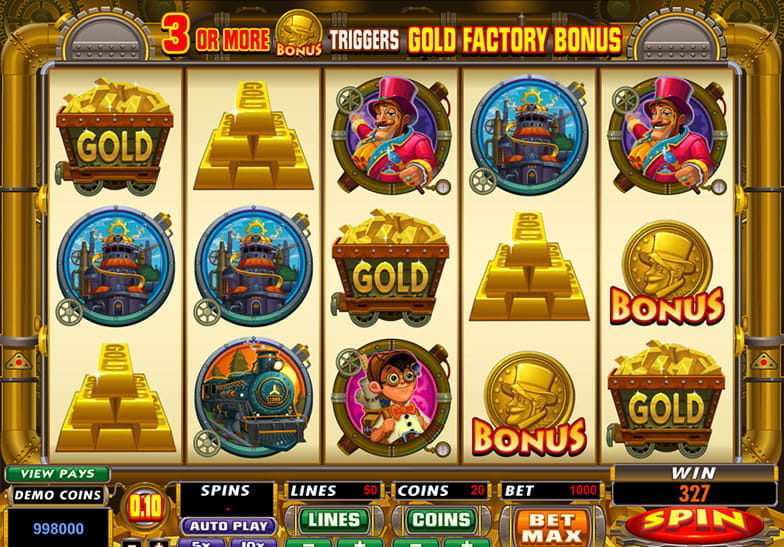
The Impact of Digital Distraction in Recovery of Patients
Clinical studies has long noted that mental escape helps people cope. This is true for patients experiencing long or repetitive treatments. Digital games provide an absorbing escape from clinical walls. They give the mind a break that can ease feelings of stress and worry. For someone bedridden in hospital for weeks, a straightforward game like Penalty Shoot Out Game can be a short diversion. The mechanics are simple: a familiar, usually relaxed sports situation. It demands enough focus to pull attention away from boredom or pain for a while. But this only works inside a organized day. Without any boundaries, too much gaming can be counterproductive. It might disrupt sleep or promote isolation, even on a active ward. So the game’s value isn’t inherent. It comes from supervised use as one small part of a bigger recovery plan. That plan must include rest, physio, and talking to real people.
FAQ
Can playing games like Penalty Shoot Out Game truly benefit a hospital patient?
If used in strict moderation, these games are able to shift the mind from pain or monotony. They present a short cognitive escape. Any benefit is strictly as a managed leisure activity, not a medical treatment. Gaming must never take the place of essential rest, clinical care, or in-person socialising. Those are much more important for healing.
How can visitors make sure gaming doesn’t disrupt quality time during visits?
Visitors should put conversation and shared offline activities first. If they do use a game, ensure it is collaborative and short. Take turns on a single-player game, for instance. The social connection must stay central, not the screen. A good tactic is to set a time limit for gaming right at the start of the visit.
What are the main risks of patients engaging with casino-branded games?
The biggest risks are losing money and sliding into unhealthy habits, which is especially dangerous for vulnerable people. These games are designed to keep you playing and often include real-money options. Patients need protection from all gambling elements. They should use free-play modes only. A trusted person should monitor this to block any real-money transactions.
How should a patient bring up their desire to play such games with hospital staff?
Individuals should be honest with their nurse. The discussion should clarify how they will use the game safely. Stress the time limits, the usage of free-play options only, and how it won’t disrupt sleep or therapeutic routines. Caregivers aren’t there to evaluate pastimes. They’re there to assist fit them safely into the healthcare plan.
Are there any specific times during a hospital day when gaming is more suitable?
Gaming works best during scheduled personal time. That’s generally in the afternoon or early night, following main procedures and ahead of sleep. Avoid it near bedtime because blue light can wreck sleep quality. It must not conflict with eating times, medication, or sessions with care providers.
What other choices to video games can visitors bring for engaging the patient?
Good alternatives include paper books, audiobooks, publications, puzzle books like crosswords, travel-friendly craft sets, or basic card games. These pursuits engage different regions of the cognition and are simpler to enjoy together. They also avoid hassles like low power, weak internet, and display reflections, which helps preserve the environment calm.
Who exactly is in charge for overseeing a patient’s overall digital exposure in the medical facility?
The grown patient is primarily in charge of their own screen time. But in a healthcare context, this becomes a collective duty. Nurses can offer gentle prompts about rest. Family visitors can recommend balanced activities. The patient must remain self-aware. For patients who cannot self-regulate, family or caregivers may have to use more direct controls.
Comprehending Visiting Hours as a Interpersonal Lifeline
Visiting hours constitute a essential support pillar in hospitals. They convert a sterile room into a place of personal ties and psychological fuel. For numerous patients, this time is the day’s main event. It provides conversation, comfort, and a tangible link to the outside world. What happens during a visit changes. Some patients and guests talk calmly. Others look for a shared activity to feel normal again. Here, a game like Penalty Shoot Out Game might appear. It could be a mutual interest, a bit of friendly competition between patient and visitor. That shared focus can reduce the pressure of talking only about health. It allows for lighter interaction. But there’s a hitch. A screen during precious visiting time might build a wall. It could exchange meaningful conversation for two people staring at a device. Navigating this needs consensus and awareness from both sides. The technology should support the relationship, not control it.
Establishing Boundaries for Healthy Engagement
Setting clear limits around any recreational activity in a hospital is essential for patient wellbeing. Digital games are designed to be engaging. Their reward loops and instant feedback need conscious management. For a patient looking to play the Penalty Shoot Out Game, this starts with a clear talk with their care team. Treatment times, required rest, and cognitive energy should be first, no exceptions. A practical step is to set a time limit beforehand. Connect it to a specific quiet period in the hospital’s routine. This keeps the game from clashing with medical checks or sleep. We also cannot overlook the financial side. These branded casino games often entail money. Patients in a vulnerable position need to be shielded from any chance of loss. Any gameplay needs to be strictly in free-to-play modes. A family member or support worker may need to oversee access, guaranteeing no real-money features are ever touched.

